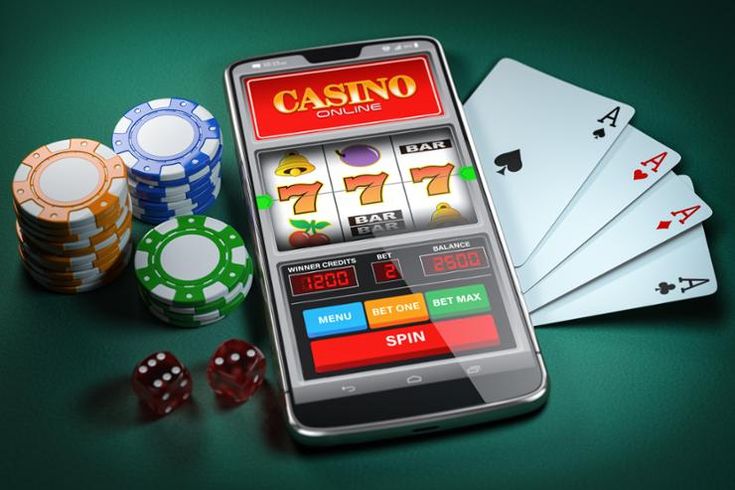
Casino gambling has existed for centuries, but its migration to the internet has fundamentally changed who can participate and how. Where physical casinos once demanded travel, dress codes, and set hours of operation, online platforms offer instant access at any time of day or night. This transition started slowly in the mid-1990s with basic software and dial-up connections, but has since evolved into a sprawling, sophisticated global industry. Modern online casinos now rival, and in many ways exceed, the variety and quality of experiences found in traditional gambling hubs. High-speed internet, powerful mobile devices, and advanced graphics engines have all played a part in making virtual casino floors feel remarkably real. Regulatory frameworks in many countries have also matured, giving players greater confidence that they are gambling on licensed, monitored platforms. As a result, online casino gaming has become a mainstream form of entertainment rather than a niche curiosity.
Slot games remain the most heavily played category across nearly every online casino, largely because of their accessibility and visual appeal. There is no need to learn rules or memorize strategies, since gameplay is as simple as selecting a wager and pressing a button to spin the reels. Developers have used this simplicity as a foundation for enormous creative variety, building slots around historical eras, fictional universes, and pop culture franchises. Bonus rounds, free spin features, and expanding symbols add excitement and unpredictability that keep players coming back for more. Progressive jackpot slots, which link player contributions across multiple sites, have produced some of the largest online gambling payouts ever recorded. The sensory experience of vivid graphics, celebratory sound effects, and near-miss moments taps directly into the psychology of reward and anticipation. It is little surprise that slots often serve as the first game many players try when exploring an online casino.
Table games offer a markedly different experience, appealing to players who enjoy applying skill, memory, or mathematical reasoning to their gambling. Blackjack is widely regarded as one of the most strategic casino games, since players who master basic strategy can meaningfully reduce the house’s statistical advantage. Roulette takes a simpler approach, asking players only to predict where a spinning ball will eventually land among numbered pockets. Baccarat, historically linked to exclusive high-stakes rooms, has been reintroduced online in formats accessible to players of nearly any budget. Poker distinguishes itself by pitting players against one another rather than the casino, introducing bluffing, reading opponents, and long-term strategic thinking. Free demo versions of these games are common on reputable platforms, giving newcomers a low-risk way to learn the ropes. This combination of intellectual engagement and financial stakes keeps table games a lasting favorite among more experienced gamblers.

Live dealer games represent one of the more significant technological advances in online casino history, bringing real human dealers into digital gameplay. Through continuous video streaming, players watch dealers shuffle cards, spin roulette wheels, and manage baccarat shoes from professional studio settings. This visible process reassures players who might otherwise question whether computer-generated results are genuinely fair and random. Built-in chat functions allow real-time interaction with dealers and fellow players, restoring some of the social texture missing from purely virtual games. The category has broadened well beyond classic formats, now featuring interactive game shows that combine wheel spins, trivia, and bonus rounds with traditional wagering. Multiple camera angles and smooth video quality help create an experience that feels closer to sitting at an actual casino table. Given its popularity, live dealer gaming is likely to keep expanding as more operators build out dedicated studio infrastructure. For more information please visit aladdin99
Mobile accessibility has become nearly non-negotiable for online casinos seeking to remain competitive in today’s market. The vast majority of platforms now offer polished apps or mobile-optimized sites that deliver full game libraries directly to smartphones and tablets. This shift allows players to gamble during short windows of free time, such as a commute or a coffee break, rather than needing to sit at a desktop computer. Developers have redesigned interfaces specifically for touchscreens, ensuring buttons, cards, and reels remain crisp and easy to navigate on smaller displays. Security measures such as biometric login and encrypted mobile payments have kept pace with this shift, maintaining player confidence even on the go. This convenience has also helped online casinos attract younger players who already spend much of their daily lives on mobile apps. As mobile technology continues advancing, the gap between desktop and mobile casino experiences is expected to shrink even further.
Player safety and game fairness remain foundational concerns for any online casino aiming to build a trustworthy reputation. Licensed operators are required to use independently certified random number generators to ensure that outcomes in slots and digital table games remain statistically fair. Oversight bodies such as the UK Gambling Commission and the Malta Gaming Authority enforce strict standards around financial transparency, licensing, and dispute resolution. Robust encryption protects sensitive player data, including payment information, from unauthorized access or cyberattacks. Responsible gambling features, including deposit limits, self-exclusion tools, and session time reminders, have become standard across most reputable platforms. Independent auditing firms regularly test casino software to verify that games meet published fairness and payout standards. Players are generally encouraged to confirm proper licensing and review independent ratings before creating an account with any new platform.
The trajectory of online casino gaming suggests continued innovation and expansion in the years ahead. Virtual reality technology is beginning to introduce fully immersive casino environments, allowing players to navigate three-dimensional spaces and interact with games as though physically present. Cryptocurrency payment methods are gaining wider acceptance, offering players faster transactions and enhanced privacy compared to traditional banking. Artificial intelligence is increasingly deployed to personalize game recommendations and to detect early warning signs of problematic gambling patterns. Regulatory clarity is expected to improve globally, as more governments establish formal legal frameworks for online gambling operations. Market competition will likely intensify as established operators and new entrants alike race to differentiate themselves through innovative features and improved user experiences. In the end, online casino games are likely to keep evolving as a blend of cutting-edge technology and humanity’s long-standing fascination with games of chance.