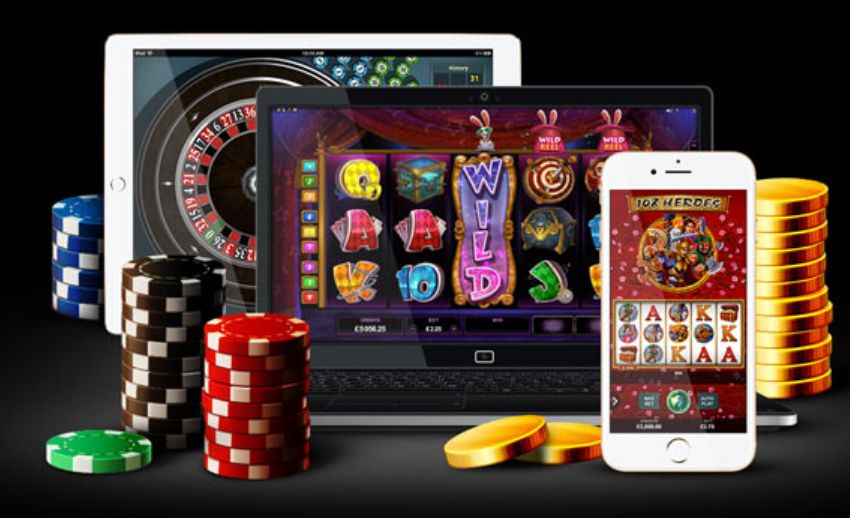
The online casino industry has transformed dramatically since its humble beginnings in the mid-1990s, growing into a multi-billion dollar global phenomenon that reaches millions of players across nearly every corner of the world. What started as a handful of rudimentary websites offering simple digital versions of blackjack and roulette has blossomed into a sophisticated ecosystem featuring thousands of games, live dealer studios, and immersive experiences that rival anything found on the floor of a physical casino. Advances in internet speed, mobile technology, and secure payment processing have removed many of the barriers that once kept casual players away from virtual gambling platforms. Today, a person can open an app on their phone and, within minutes, be playing slots, poker, or roulette from the comfort of their couch. This convenience has been a major driver of the industry’s growth, as players no longer need to travel to Las Vegas, Macau, or Monte Carlo to enjoy a night of gaming. Regulatory frameworks have also matured alongside the technology, with many jurisdictions now issuing licenses and enforcing standards designed to protect consumers and ensure fair play. As a result, online casinos have shifted from a niche curiosity to a mainstream entertainment option that sits comfortably alongside streaming services and online shopping in many people’s digital routines.
Slot machines remain the most popular category of online casino games, and it is not difficult to understand why they hold such broad appeal. Unlike table games, slots require no strategic knowledge or prior experience, making them accessible to complete beginners who simply want to spin the reels and see what happens. Modern video slots are built with elaborate themes ranging from ancient mythology and adventure stories to popular movies and television franchises, giving players a sense of narrative immersion that goes far beyond the classic fruit-machine format. Many of these games include bonus rounds, free spins, multipliers, and cascading reels that keep the experience fresh and unpredictable. Progressive jackpot slots add another layer of excitement, as a small percentage of every wager across a network of machines feeds into a growing prize pool that can sometimes reach into the millions. Developers continuously release new titles to keep their catalogs current, often collaborating with well-known entertainment brands to attract fans of a particular franchise. Because of their simplicity and variety, slots generate the largest share of revenue for most online casino operators, and they are frequently the first game type new players encounter when signing up.
Table games occupy a different but equally important niche within the online casino landscape, appealing to players who enjoy an element of skill or strategy alongside chance. Blackjack, in particular, has long been a favorite because the outcome depends partly on decisions the player makes, such as when to hit, stand, split, or double down. Roulette offers a different kind of appeal, with its spinning wheel and wide range of betting options that let players choose between safer, lower-payout bets or riskier, higher-reward wagers. Baccarat, once considered a game reserved for high-rollers in exclusive casino lounges, has found a much broader audience online thanks to its simple rules and fast-paced rounds. Craps, though slightly more complex to learn, has also carved out a loyal following among players who enjoy its social, high-energy atmosphere even in a digital format. Many online casinos now offer multiple variants of these classic games, each with slightly different rules or side bets that add fresh angles for experienced players to explore. The digital versions of these games are typically powered by random number generators that have been independently tested and certified to ensure fairness, giving players confidence that outcomes are not manipulated in the house’s favor.
One of the most significant innovations in recent years has been the rise of live dealer games, which bridge the gap between fully automated digital casinos and the in-person experience of a physical venue. In these games, a real human dealer operates from a professional studio or an actual casino floor, streaming the action to players in real time through high-definition video. Players can place bets through their device while watching the dealer shuffle cards, spin the roulette wheel, or deal hands, creating a level of authenticity that purely computer-generated games cannot replicate. Chat features often allow players to interact with the dealer and with one another, adding a social dimension that many people find lacking in traditional online slots or table games. This format has proven especially popular for blackjack, baccarat, and roulette, where the presence of a visible human dealer reassures players about the fairness of each round. Technology providers have invested heavily in camera angles, lighting, and studio design to make these broadcasts feel as polished as a television production. As internet bandwidth continues to improve worldwide, live dealer games are expected to become an even larger share of the overall online casino market, further blurring the line between digital and physical gambling experiences.

Security and fairness remain central concerns for anyone considering online casino games, and reputable operators go to considerable lengths to address these worries. Licensed casinos are typically required to use random number generators that undergo regular audits by independent testing agencies to confirm that game outcomes are genuinely random and not skewed toward the house beyond the stated odds. Encryption technology, similar to that used by banks, protects sensitive financial and personal information as it travels between a player’s device and the casino’s servers. Reputable platforms also publish their payout percentages, often referred to as return-to-player rates, giving players a transparent way to compare the long-term odds of different games before wagering real money. Many jurisdictions require operators to offer tools that promote responsible gambling, including deposit limits, self-exclusion programs, and reality checks that remind players how long they have been playing. Third-party watchdog organizations and licensing bodies conduct periodic reviews of operators to ensure continued compliance with these standards. Players who take the time to verify a casino’s licensing information and read independent reviews before signing up can significantly reduce their risk of encountering unfair or fraudulent platforms. For more information please visit TFBO
The rapid adoption of smartphones has fundamentally reshaped how people access and enjoy online casino games, shifting the industry’s center of gravity from desktop websites to mobile applications. Dedicated casino apps now offer the same breadth of slots, table games, and live dealer options that were once only available on a computer, optimized for smaller screens and touch-based controls. Push notifications alert players to new promotions, tournaments, or bonus offers, keeping them engaged even when they are not actively playing. Mobile payment integration has also simplified the process of depositing and withdrawing funds, with many platforms supporting digital wallets and instant banking options that were unheard of a decade ago. Game developers have adapted their designs specifically for mobile play, ensuring that graphics remain crisp and load times stay short even on older devices or slower connections. This mobile-first approach has opened the door to entirely new demographics of players who might never have considered visiting a physical casino or even sitting down at a desktop computer to gamble. As 5G networks expand and device capabilities continue to improve, the mobile experience is likely to become nearly indistinguishable from playing on a full-sized computer screen.
Looking ahead, the online casino industry shows no signs of slowing its pace of innovation, with emerging technologies poised to reshape the experience even further. Virtual reality casinos are already in early stages of development, promising fully immersive environments where players can walk through a digital casino floor and interact with games in three-dimensional space. Blockchain technology and cryptocurrency payments have begun to gain traction, offering players faster transactions and, in some cases, greater anonymity than traditional banking methods allow. Artificial intelligence is increasingly used behind the scenes to personalize game recommendations, detect problem gambling behavior, and strengthen fraud prevention systems. Gamification elements, such as loyalty tiers, achievement badges, and tournament leaderboards, are being woven into casino platforms to boost long-term engagement in ways that feel more like a video game than a traditional betting site. Regulatory bodies around the world continue to refine their approach to online gambling, balancing consumer protection with the economic benefits that a well-regulated industry can bring to local economies. As these trends converge, online casino games are likely to become even more immersive, secure, and accessible, cementing their place as a mainstream form of digital entertainment for years to come.